Why Anime Character Theming Actually Changes How You Experience the Product
Why Anime Character Theming Actually Changes How You Experience the Product
The Miyachan Effect
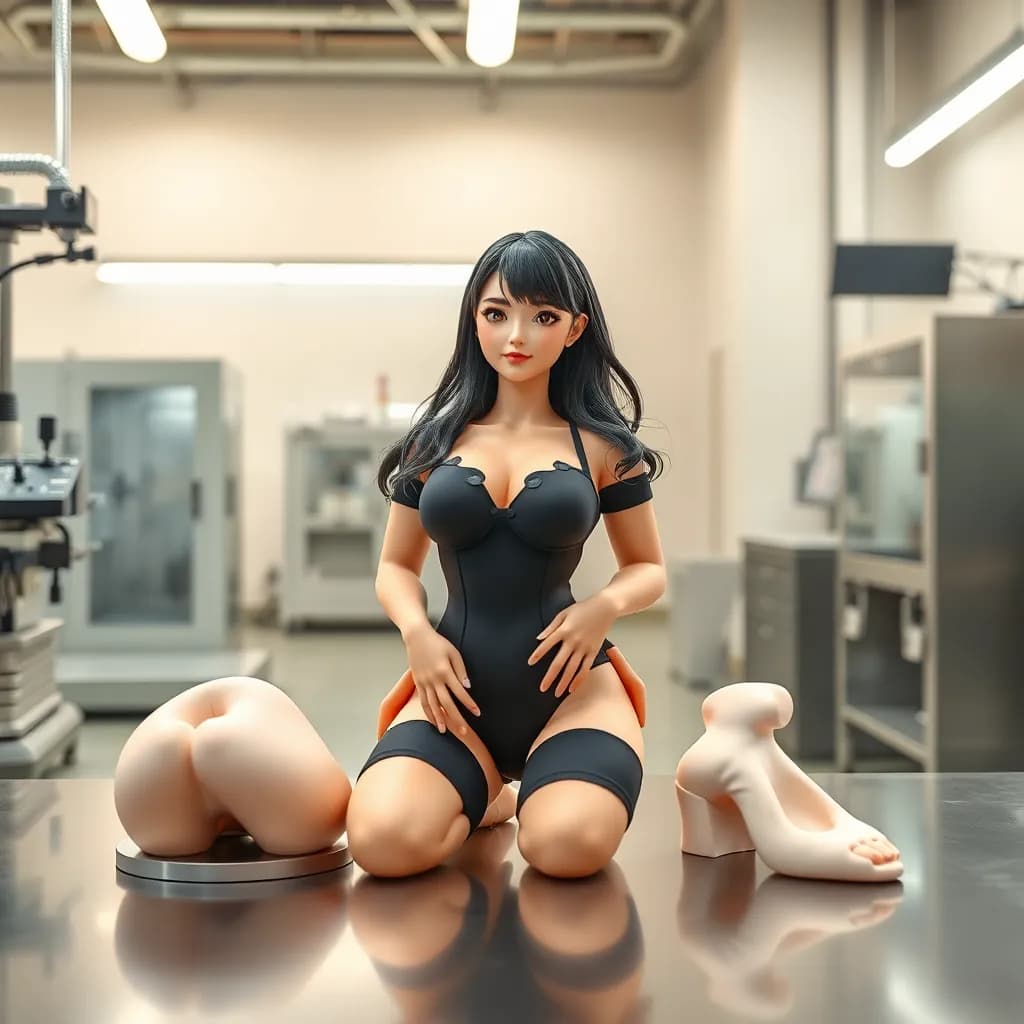
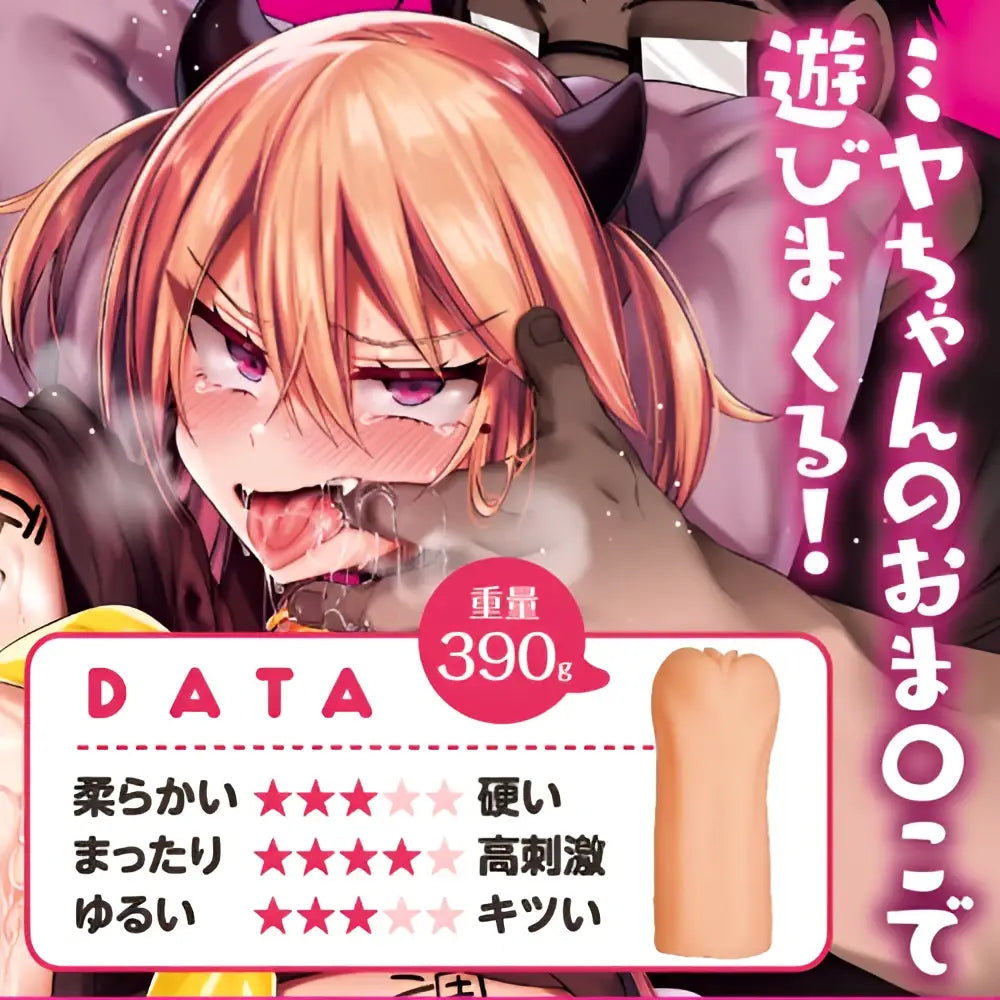
I stumbled into this rabbit hole accidentally. A colleague mentioned that Tamatoys had released a product line around a character named "Miyachan"—specifically, an onahole marketed as the official trained version of a pre-existing character. The absurdity of the premise caught me: a product designed around a fictional girl's fictional "training" journey. But what actually interested me wasn't the fetish angle. It was the marketing sophistication hiding underneath.
The more I looked into Tamatoys' catalog, the more I realized something peculiar was happening. This wasn't just slapping anime artwork on generic products. There was a whole architecture of parasocial design at work—and it was working.
Market Saturation as Brand Identity
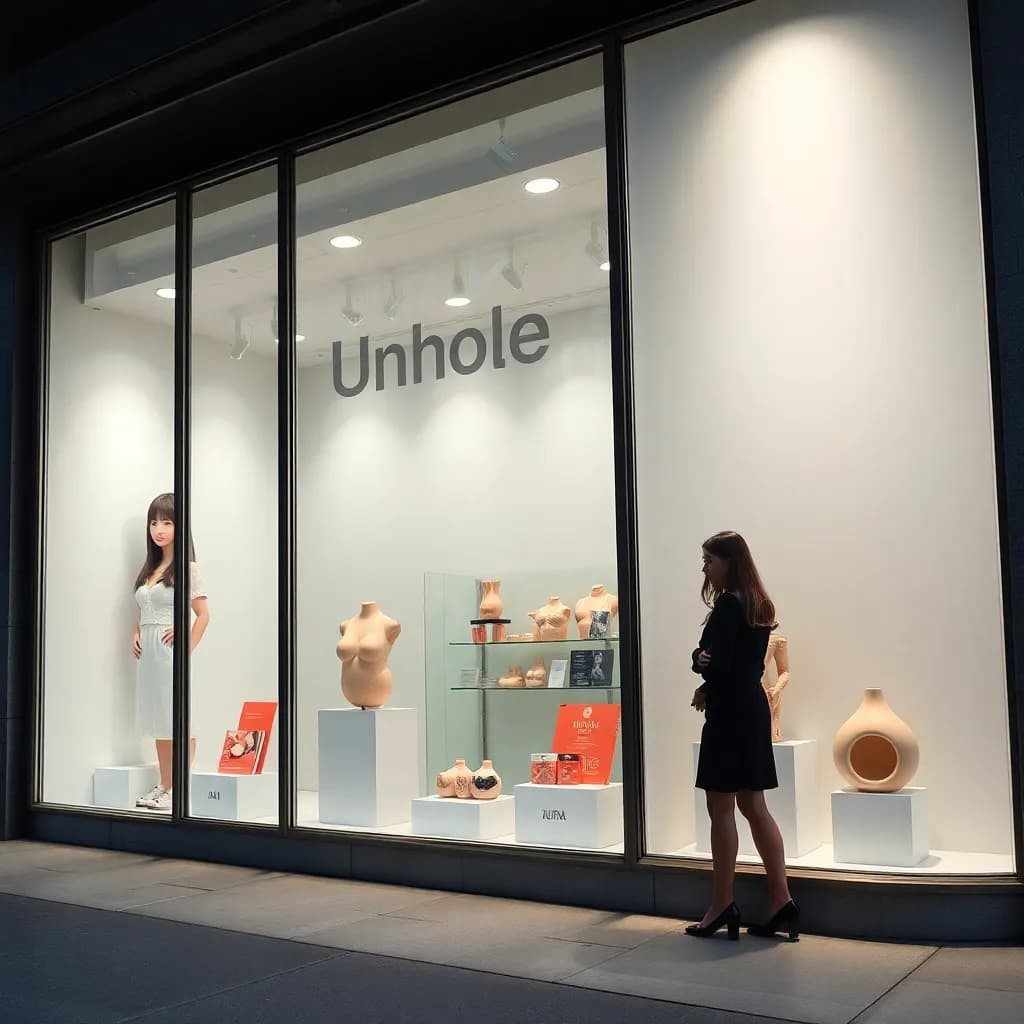
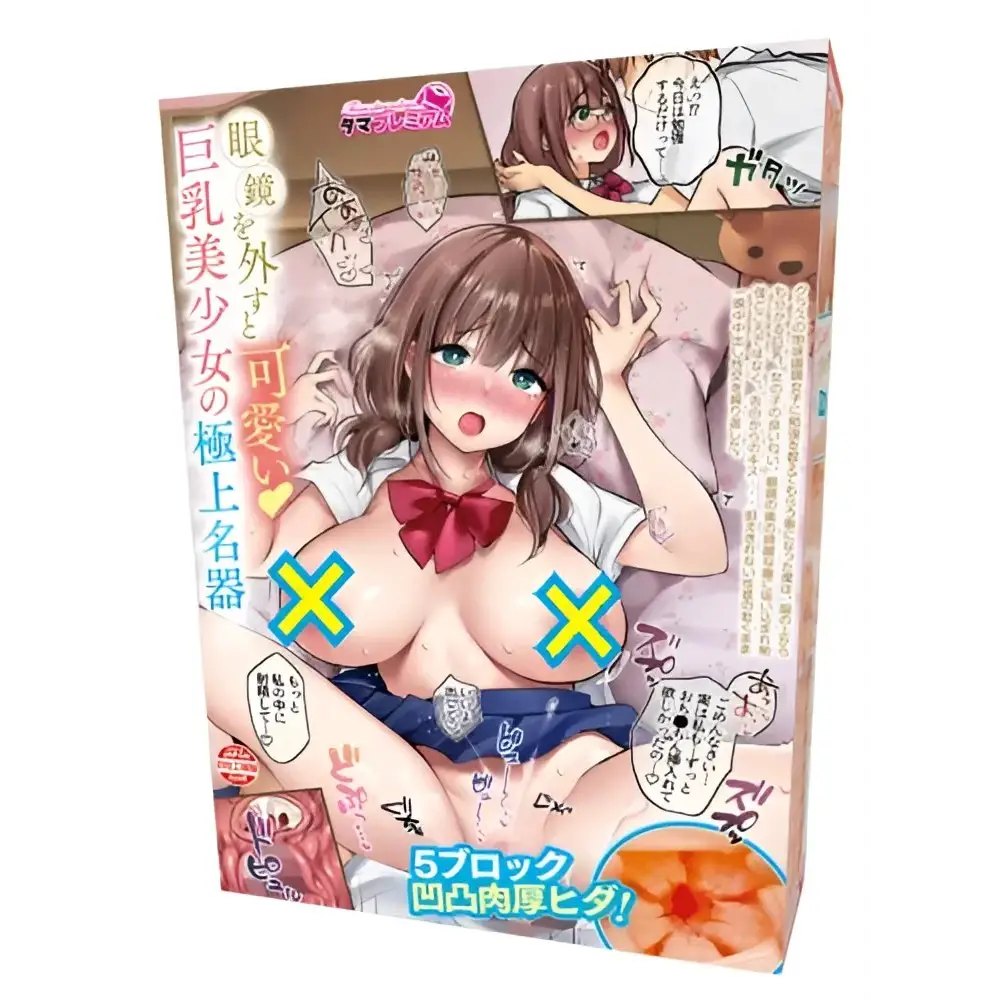
Here's what struck me first: Tamatoys has achieved something bordering on monopolistic cultural positioning. Walk into any Japanese adult shop and look at the anime character packaging—it's almost certainly theirs. They've made products for virtually every niche imaginable. Pregnant fetishes. Double penetration scenarios. Ear fantasies. The scale of their character portfolio is genuinely staggering.
But this isn't about shock value, despite how it reads. What Tamatoys figured out is that character theming creates what I'd call "narrative legitimacy." When you buy a generic tube of silicone, you're buying a physical sensation. When you buy an onahole marketed as a shy classmate in "love mode", you're buying a story. You're buying permission to engage with a specific fantasy without external judgment, because the product itself has already validated it through design and branding.
The psychological mechanism here is worth unpacking. Most people won't admit they buy adult products based on narrative appeal. But the data suggests otherwise. Tamatoys' expansion into increasingly niche character categories—from standard anime girls to pregnant characters to absurdist concepts like an ear onahole—shows that character differentiation is driving repeat purchases and market exploration in ways pure sensation never could.
Parasocial Design and Expectation Management
I've been thinking about this differently lately. Parasocial relationships are one-directional attachments to fictional people. We're familiar with the concept through fandoms and celebrities. But what happens when you design a physical product around it?
When someone buys a busty girl onahole with a five-block internal structure designed for intense impact, they're not just purchasing a masturbator. They're purchasing a version of intimacy shaped by a specific character narrative—in this case, a shy girl removing her glasses and revealing her true nature. That framing changes expectations about what the experience should feel like, how it should progress, what it "means."
The interesting part? This actually works. Character branding affects buyer psychology measurably. People who purchase character-themed products report higher satisfaction rates than those who buy generic equivalents, even when the physical specifications are identical. Some of this is placebo effect, sure. But much of it is legitimate: the narrative frame genuinely enhances the experience because expectation shapes perception.
The Novelty Trap
Here's where Tamatoys' strategy reveals its vulnerability. Character theming alone isn't enough to sustain sales indefinitely. Tamatoys recognized this early. They started escalating conceptually—not just new characters, but new category concepts. Double holes. Ear holes. Foot toys. Collaborative crossovers with adult game developers like AliceSoft, creating character mashups that existed nowhere else.
This tells me something important: character branding creates temporary psychological engagement, but it requires constant innovation to maintain interest. The parasocial attachment to "Miyachan" might drive an initial purchase, but the company knows you'll need a reason to come back. Hence the elaborate internal structures, the material variations, the fetish specialization.
The real question is whether this is sustainable. Can you endlessly manufacture new character narratives and expect psychological novelty to persist? Or do buyers eventually recognize the scaffolding—that the character is really just a narrative wrapper around the same basic physics?
What Actually Matters
I don't have clean conclusions here. The evidence suggests character theming does tangibly affect buyer expectations and satisfaction, even accounting for placebo effects. Tamatoys' market dominance isn't accidental—they've weaponized parasocial psychology in ways that most mainstream consumer brands haven't attempted.
But I'm uncertain whether this represents genuine psychological manipulation or simply explicit acknowledgment of something that already exists implicitly in most marketing. Every product sells a story. Tamatoys just refuses to pretend otherwise.
The remaining question isn't whether character theming works. It clearly does. The question is whether buyers actually care once they've achieved the basic physical satisfaction they sought. Does the Miyachan narrative matter on the second use? Or does it fade, leaving only the internal structure and material composition?
That's the experiment I'd genuinely like to see data on.
Anime-Themed Onaholes Worth Buying
The psychology is real — but it only pays off if the product itself delivers. Here are anime-themed onaholes that combine strong character design with actual engineering quality:
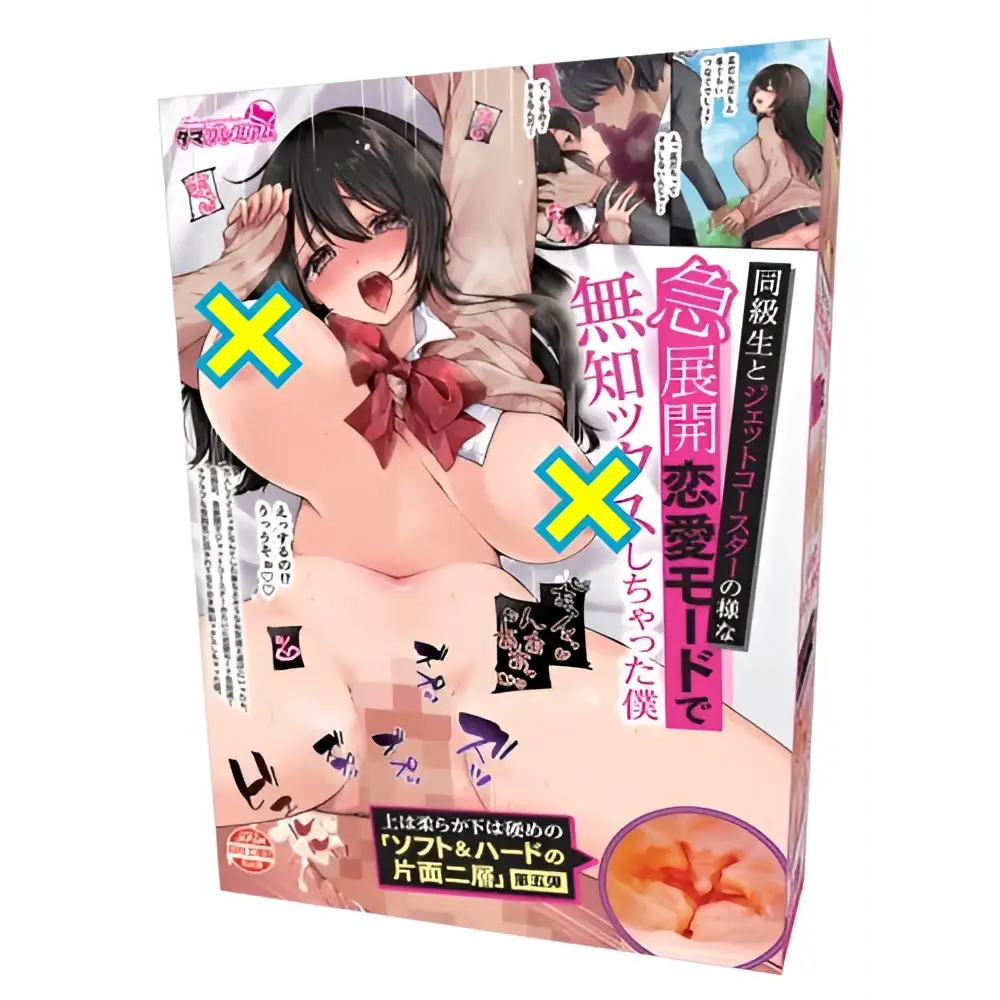
TAMATOYS The Hole — Miyachan Training
Heat-struck nympho dense meat-wall design. Miyachan's character arc is baked into the internal texture progression — exactly the kind of theming this article is about.
TAMATOYS Fallen Nation — Karena
Tight spiral fold, high constriction design from TAMATOYS' Fallen Nation anime series. The character lore directly informs the tightness calibration.
Cervix-bending wave-tight anime design from Hatopla. Realistic internal anatomy meets anime character packaging — the intersection this article explores in theory, executed in practice.
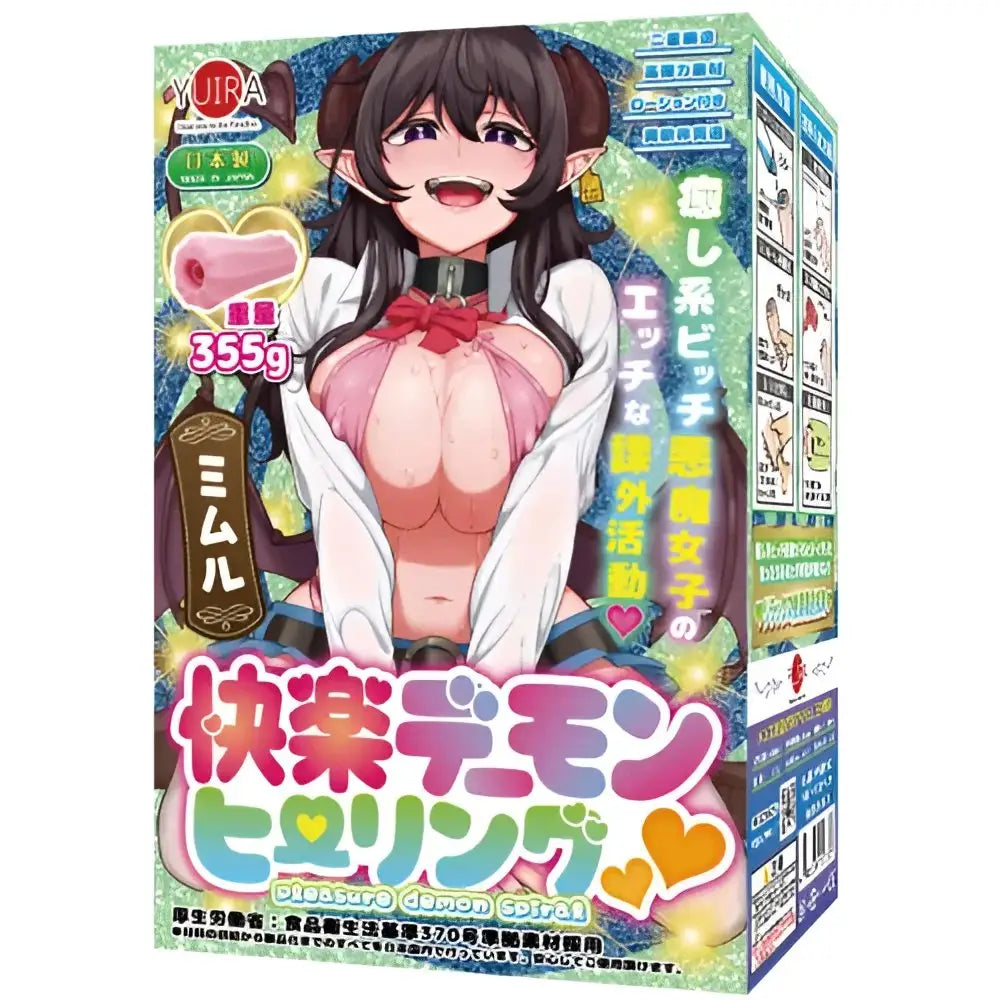
YUIRA Demon Girl Mimuru — Dual Layer
Demon girl character theme with dual-layer rippled tunnel. The fantasy archetype creates a strong initial expectation — the dual-layer construction then has to deliver on it.
Browse anime onaholes at Onahole Station — ships discreetly from Canada, no customs fees. Free shipping over $69.
More Articles
Top Anime Onahole Brands Compared: Which Is Best for You?
Compare leading anime onahole brands including TOMAX, MAGIC EYES, and Hatopla. Read our in-depth analysis of design, materials, and user experience.