Why NPG's Triple-Layer Design Actually Changes Everything
Why NPG's Triple-Layer Design Actually Changes Everything
The Moment I Realized Material Science Actually Matters
I picked up an NPG product for the first time expecting marketing fluff. Instead, I found myself reading about compression systems and internal texture topography like it was a mechanical engineering thesis. That's when it hit me—NPG isn't just slapping "triple-layer" on packaging and calling it a day. They've built their entire design philosophy around a material science question that most competitors haven't even bothered asking.
The gap between NPG and its competitors isn't subtle. It's the difference between a company that ships what's convenient and one that refuses to compromise, even when compromise would be easier and cheaper.

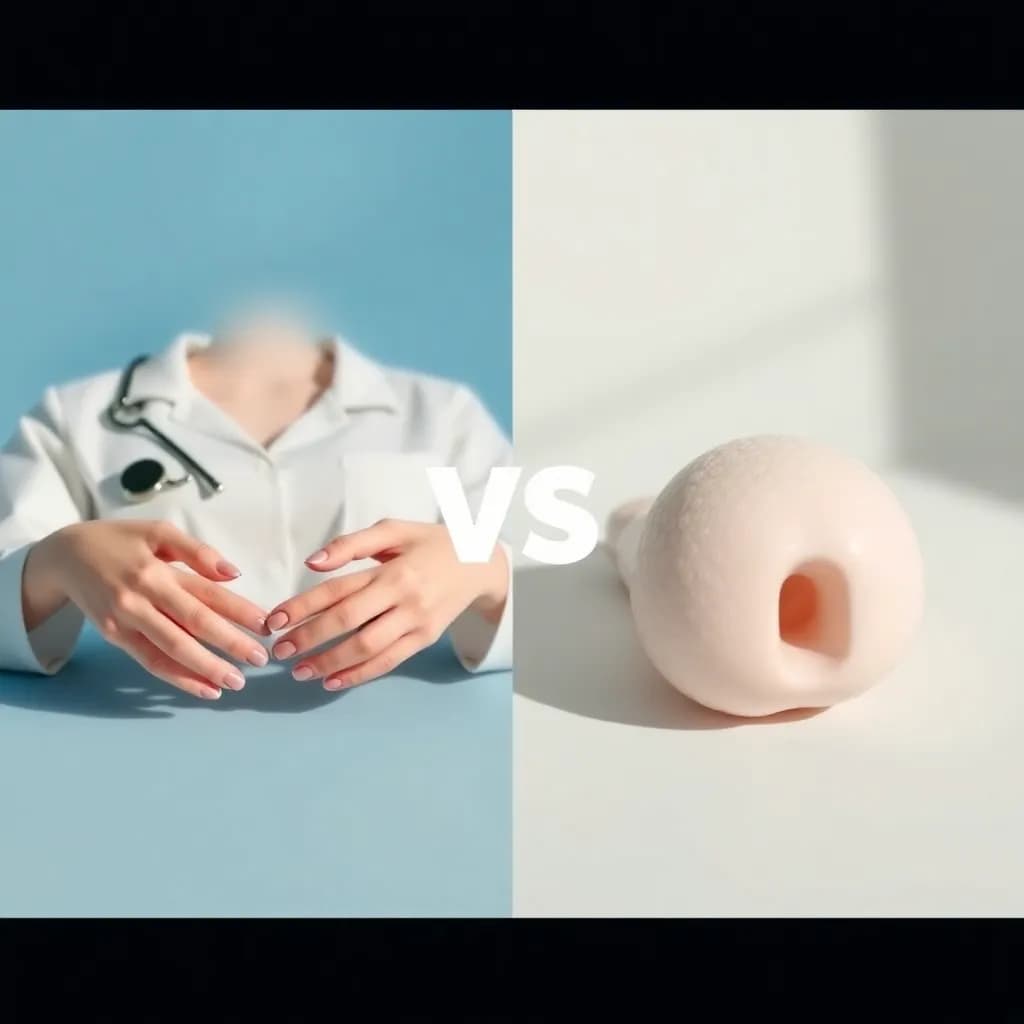
The Dual-Layer vs. Triple-Layer Question
When you compare NPG's engineering approach to competitors like Sensbody, you're looking at fundamentally different philosophies. Sensbody goes soft. They formulate materials to be pliable, forgiving, easy to manufacture at scale. It's a legitimate approach—softness has its appeal.
NPG took the opposite road. They engineered compression systems. Dual-layer designs that respond differently depending on pressure. Then they went further with triple-layer construction that adds another dimension entirely: elasticity paired with pressure sensitivity. The math is straightforward but the execution is brutal. You have to control material behavior across multiple conditions simultaneously.
I read somewhere that NPG was founded in 1979 in Tokyo's Nippori District—which is why their acronym literally means "Nippori Gift." What matters is that they've been doing this for 45 years. They've had four-plus decades to refuse shortcuts, to push back against suppliers who wanted to cut corners, to insist on specifications that other manufacturers thought were unnecessary.
What Actually Happens Inside
The NPG Meiki no Syoumei 5 three-stage tightening structure is where this gets interesting. I looked at the specs and initially thought: more stages, more gimmick. Then I understood what they were doing. Each stage tightens differently. The material has memory, so it compresses in response to movement, then releases. This isn't random texture—it's engineered sensation progression.
The three-stage part matters because it means variation. You're not experiencing the same resistance throughout. There's a beginning stage, a middle stage, a terminal stage. Your nervous system registers that difference. That's not me being poetic. That's material science creating physiological response.
The NPG Meiki no Syoumei Shin 004 triple-layer double hole design takes this further. Two separate internal channels, each with its own triple-layer construction. The vaginal canal has suction cups and raised nodules. The anal canal has ringed folds and irregular textures. They're not the same experience mirrored twice—they're engineered as distinct stimulation pathways. That's specificity bordering on obsessive.

The Trade-Off Nobody Mentions
Here's the honest part: I found a Reddit discussion where someone complained that NPG Meiki products don't last as long as Chinese brands. That's not a lie. The triple-layer material is optimized for sensation, not longevity. It's softer in some areas, more responsive in others, which means it experiences more wear when used intensively. NPG chose sensation over durability. They looked at the trade-off and said: better to deliver an extraordinary experience for two years than a mediocre one for five.
I'm not sure I agree with that choice, but I understand it. It reveals something about how they think.
The Licensing Strategy That Actually Means Something
NPG's approach to JAV star licensing is different from what competitors do. They don't just slap a name on a generic product. They acquire anatomical data, design products around specific characteristics, create internal geometry that mimics particular individuals. That's expensive. It's also deeply weird if you think about it too long.
But it works because it converts abstract sensation into something concrete. You're not just experiencing engineered pleasure. You're experiencing an approximation of something real, someone specific. The NPG Meiki no Syoumei 13 Tanaka Lemon triple-layer design isn't just triple-layer material—it's triple-layer material optimized for a particular person's anatomy. The emotional investment becomes mechanical.
What the Numbers Actually Show
I looked at user reviews across multiple sources. The Meiki no Saigen Marugoto AIKA kept appearing as someone's favorite across years of testing, praised for being "brilliantly balanced." That's not a random compliment. Balanced means the three layers are working in concert. Balanced means NPG's engineering achieved something competitors struggle with—simultaneous softness, elasticity, and pressure response.
One reviewer mentioned buying five duplicate NPG products during a Tokyo trip and flying them back internationally. That level of commitment to a brand doesn't happen because of marketing. It happens because the product works. It happens because once you feel what engineered compression actually provides, softer formulations feel incomplete.
The Question That Matters
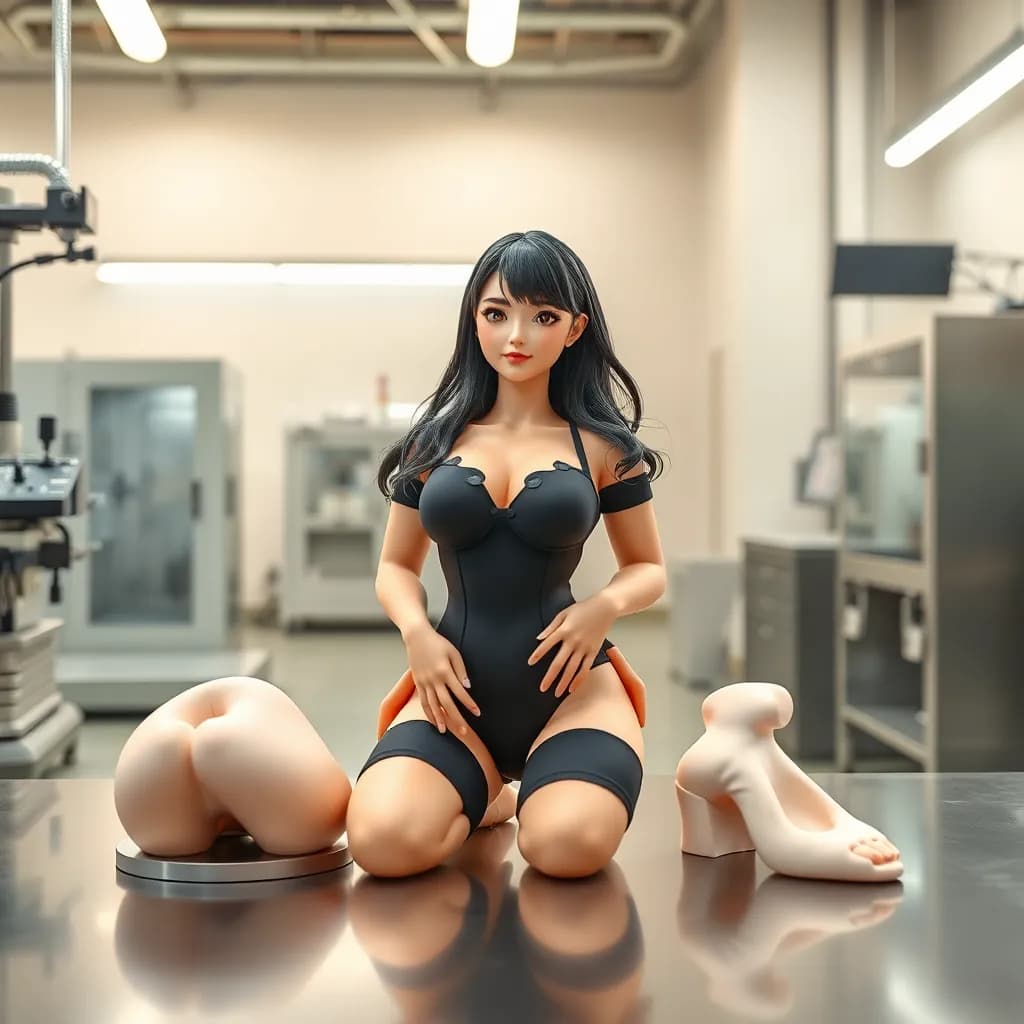
NPG's obsession with internal texture isn't marketing fluff. It's based on actual material science—the physics of how different materials respond to compression, heat, and repeated stress. They spent decades understanding that physics.
But here's what I keep coming back to: if a company will spend that level of engineering effort on something most people never see, what does that tell you about their actual standards? It tells you they're not cutting corners on anything. They're building for people who notice the difference.
The real question isn't whether triple-layer is better than dual-layer. The real question is whether you care enough about the details to notice. If you do, NPG has already thought about it.
Top Triple-Layer NPG Products in Canada
If you've decided triple-layer is right for you, these are the NPG models available now at Onahole Station with discreet shipping from Canada:
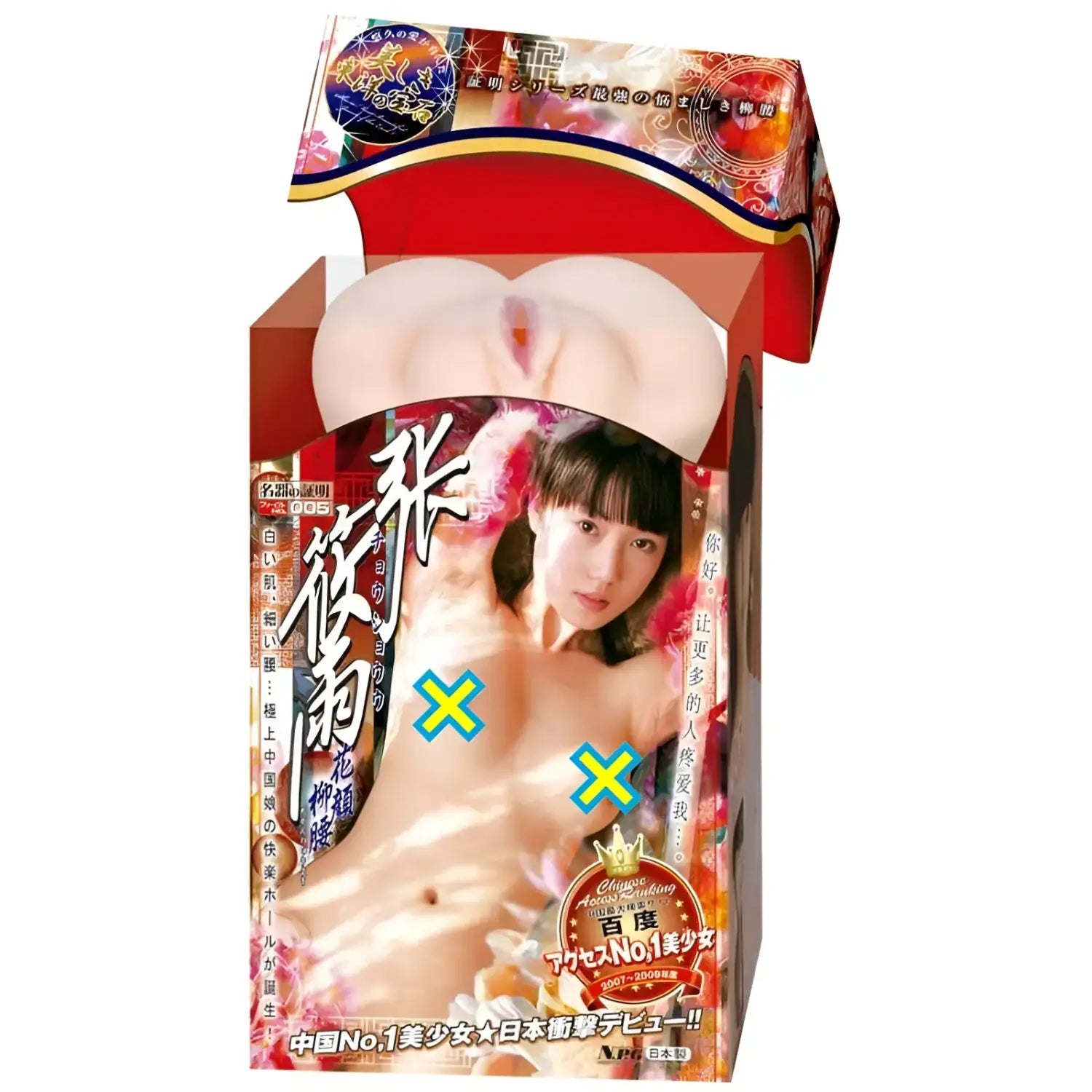
Meiki Shin 004 — Fujimori Riho Triple Layer
NPG's latest Shin series with triple-layer construction and double tunnel. The most technically advanced meiki in the Shin line.
Meiki no Syoumei 13 — Tanaka Remon Triple Layer
Triple-layer construction with Tanaka Remon's official mold. The three distinct material zones deliver the tissue-like response that single and dual-layer designs can't replicate.
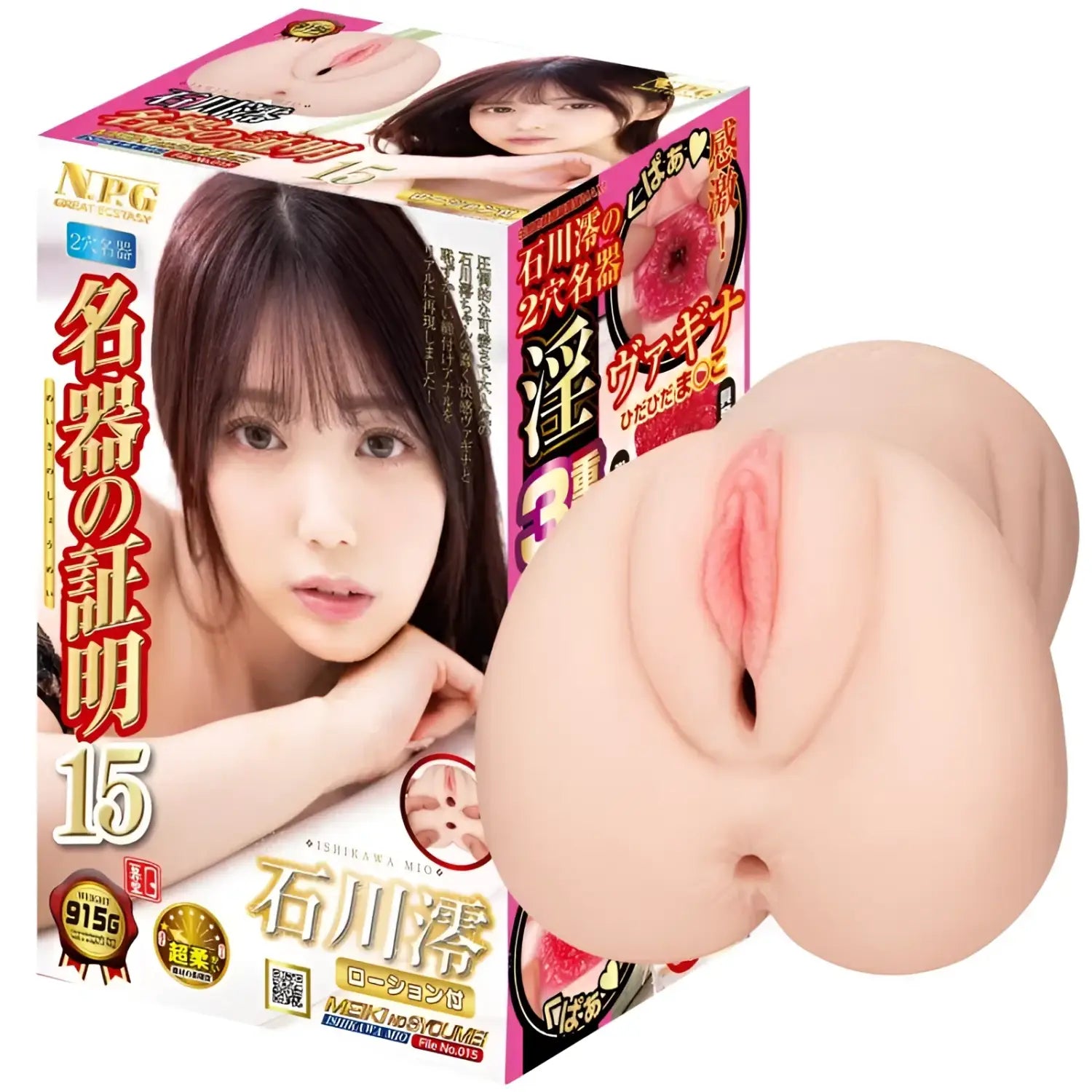
Meiki no Syoumei 15 — Ishikawa Mio 3-Layer Dual-Hole
3-layer construction with dual tunnel (vaginal + anal). The complexity of triple-layer meets dual-hole ambition in NPG's most engineering-intensive meiki.
Browse NPG Japan onaholes at Onahole Station — ships discreetly from Canada, no customs fees. Free shipping over $69.
More Articles
Top Anime Onahole Brands Compared: Which Is Best for You?
Compare leading anime onahole brands including TOMAX, MAGIC EYES, and Hatopla. Read our in-depth analysis of design, materials, and user experience.